
Understanding the Universe Starts Here
The KU Department of Physics & Astronomy is a bridge to understanding the world, educating future physicists and astronomers, unearthing new scientific discoveries, and challenging the perception of the Universe. Through the commitment that faculty, students, and staff have to transformational education and interdisciplinary research, "Understanding the Universe Starts Here," at the KU Department of Physics & Astronomy.

AD ASTRA — A NEW OBSERVATORY FOR KU PHYSICS AND ASTRONOMY
Join us for the Official Groundbreaking of KU's new Tombaugh Observatory -- a new home for the historic, 140-year-old, six-inch Clark Refractor. The new observatory is a joint venture between KU Architecture & Design's Studio 804, as well as the KU Physics & Astronomy Department, and supported by generous donors. We invite past and present students, colleagues, alumni, and friends to join us on Friday, October 9th at noon to help celebrate.
Join us at the groundbreaking!More about KU Physics and Astronomy

Undergraduate Program

Graduate Program

Department Testimonials

Department Newsletters
KU Physics & Astronomy News
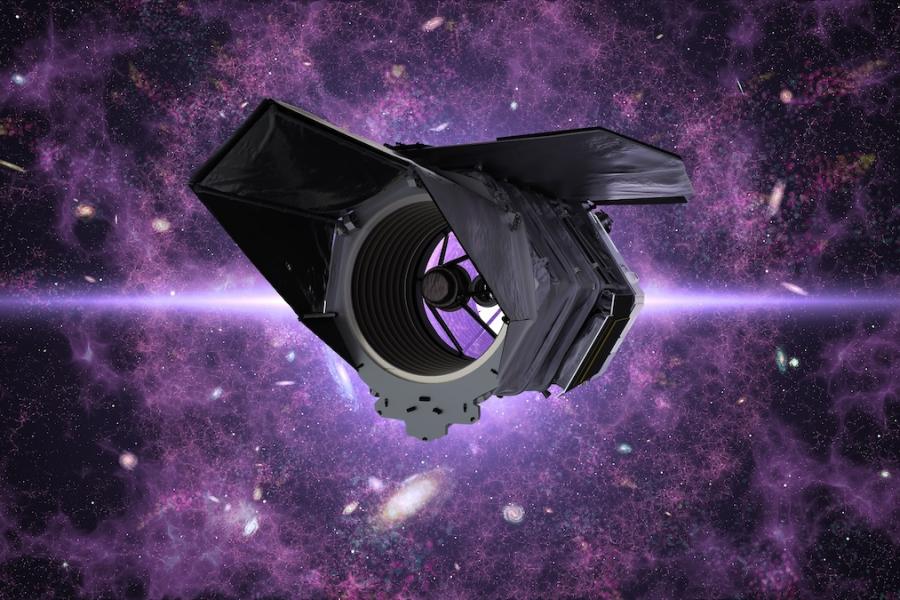
Researcher will examine galactic evolution with new ‘Roman’ space telescope

KU Physics Alumna Awarded Argesinger Dissertation Award
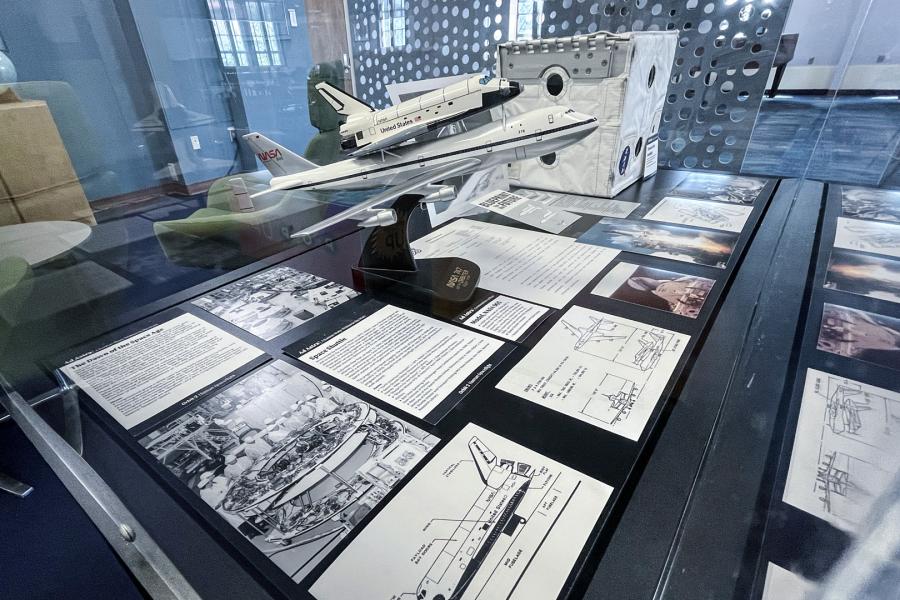
KU Libraries opens ‘Ad Astra: A Kansas Story Written in the Stars’ exhibition

New CERN measurement challenges long-standing theory of how gluons behave inside atomic nuclei
KU Physics and Astronomy Statistics
Physics and Astronomy Department Events
